In most cases, the landlord is responsible for necessary repairs that affect habitability, safety, and essential systems such as plumbing, heating, and electrical. Tenants are responsible for minor repairs and any damage caused by their actions, misuse, or negligence. The lease agreement, Nevada law, and the cause of the damage determine exactly who must pay for repair costs.
Rental property repairs often create tension between landlords and tenants. A leaking plumbing system, a broken heating system, or faulty electrical equipment can disrupt daily life and create urgent repair needs. When repair responsibilities are unclear, disputes can escalate quickly and affect the landlord-tenant relationship.
At Faranesh Real Estate and Property Management, we help property owners and tenants across Las Vegas and Henderson handle rental property repairs the right way. Our team ensures that repair requests are handled in a timely manner, that housing standards are met, and that rental units remain safe and compliant with Nevada law.
This guide explains landlord and tenant repair responsibilities clearly so you can avoid disputes, protect your property, and maintain a healthy rental experience.
What Repairs Must a Landlord Legally Complete to Keep a Rental Property Habitable?
Landlord repair responsibilities focus on maintaining the property’s habitability. Nevada law and local building codes require property owners to provide rental property requirements. These are not optional. They are legally required. Landlords are generally responsible for necessary repairs involving essential systems, including:
- Plumbing facilities and plumbing system repairs
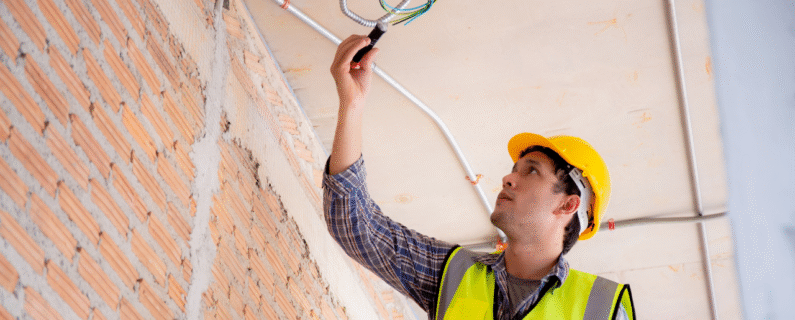
- Electrical systems, electrical lighting, and electrical equipment
- Heating systems and adequate heating facilities
- Structural repairs, such as roof leaks, walls, and foundation issues
- Pest control if the infestation was not caused by tenant negligence
- Maintaining safe stairways, floors, and appropriate fixtures
These repairs protect the property’s habitability. If essential systems fail, the landlord must complete repairs within a reasonable time after receiving written notice. For example, if a rental unit loses heat in winter, the landlord must promptly fix it. Heating systems are essential for a healthy living environment. Delays can violate housing or health codes.
What Repairs Are Tenants Responsible for During a Lease?
Tenants also have tenant responsibilities. Their actions directly affect the condition of the rental space. Tenants are typically responsible for minor repairs and maintenance tasks caused by their actions, including:
- Replacing light bulbs
- Changing air filters, if required, in the rental agreement
- Repairing damage caused by tenant negligence or accidental damage
- Keeping the rental unit clean and sanitary
- Promptly notify the landlord about repair issues
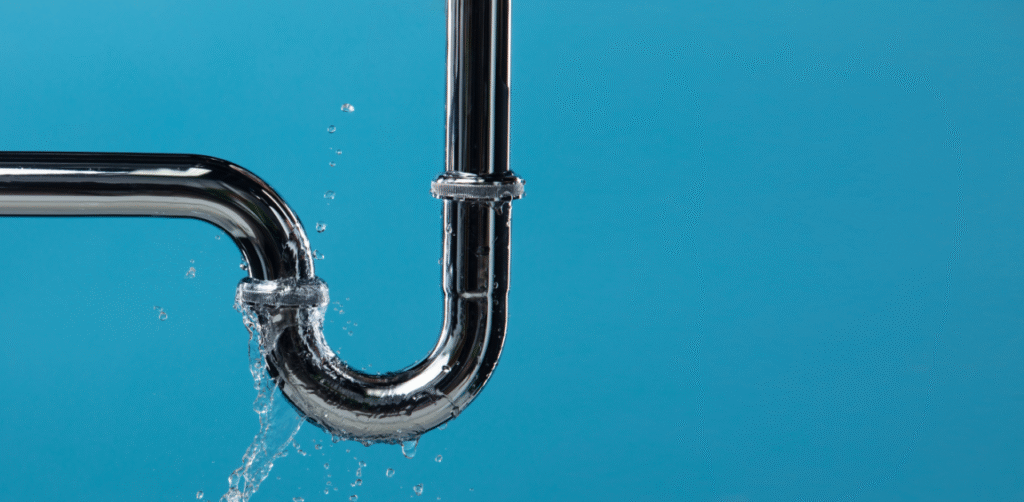
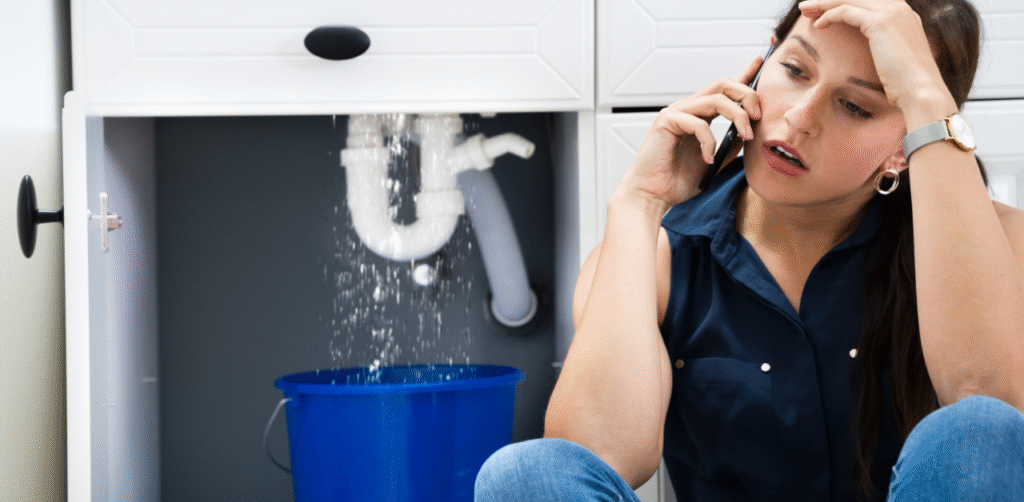
For example, if a tenant damages your rental property, such as breaking a window, the tenant pays for the repair costs. This falls under tenant negligence. Tenants must also prevent further damage. If the tenant notices a plumbing leak but fails to report it, the resulting damage may become the tenant’s responsibility.
Normal Wear and Tear vs Tenant Damage: Who Pays for Repairs?
|
Factor |
Normal Wear and Tear |
Tenant Damage |
|
Definition |
Natural deterioration that happens over time from normal, everyday use of the rental property. It is expected and unavoidable. |
Damage caused by tenant negligence, misuse, accidents, or failure to properly care for the rental unit. |
|
Cause |
Regular living activities and aging of materials. |
Tenant actions, carelessness, or improper use of fixtures or systems. |
|
Examples |
Faded paint from sunlight exposureWorn carpet from regular foot trafficLoose door handles from daily useMinor scuffs on walls |
Broken doors from improper useLarge holes in wallsDamage to electrical equipment caused by improper handlingBroken fixtures caused by negligence |
|
Responsibility |
Landlord is responsible as part of maintaining habitable living conditions. |
Tenants responsible because the damage was preventable. |
|
Who Pays for Repairs |
Property owner covers repair costs as part of rental property maintenance. |
Tenants pay for repair costs caused by their actions or negligence. |
|
Impact on Security Deposit |
Cannot be deducted from the tenant’s security deposit under applicable law. | Landlord may deduct repair costs from the tenant’s security deposit. |
|
Legal Basis |
Covered under landlord repair responsibilities and habitability requirements under Nevada law and local housing codes. |
Covered under tenant responsibilities and lease agreement terms related to property care. |
What Happens If a Landlord Fails to Complete Necessary Repairs?
When a landlord fails to complete necessary repairs, tenants have legal options under Nevada law. However, tenants must follow the proper steps. First, the tenant must send the landlord a written notice describing the repair issues. This gives the landlord a chance to fix the problem.
If the landlord fails to act within a reasonable time, tenants may:
- Seek assistance from the local housing authority
- Deduct rent in certain legal situations
- Use an escrow account for rent payments
- File a complaint for housing or health code violations
- Pursue compensation in small claims court
Tenants cannot simply withhold rent without following legal procedures. Improper rent withholding may lead to eviction or late fees. Always provide written notice and keep records of repair requests.
Can Tenants Withhold Rent or Deduct Rent for Repairs in Nevada?
Yes, Nevada tenant laws allow tenants to deduct rent or take legal action for repairs, but only under specific conditions. Tenants cannot simply stop paying rent because of repair issues. The law requires tenants to first provide written notice to the landlord describing the problem. This notice gives the property owner a reasonable opportunity to complete repairs.
The repair must involve conditions that affect the property’s habitability. This includes serious problems such as a lack of heating systems, unsafe electrical systems, major plumbing system failures, or conditions that violate housing or health codes. Minor repairs or cosmetic issues do not qualify for a rent deduction.
If the landlord fails to act within a reasonable time after receiving written notice, Nevada law may allow tenants to arrange the repair themselves and deduct the repair costs from rent. However, the amount deducted is generally limited to one month’s rent. Tenants must keep receipts, written notice records, and documentation showing the landlord failed to complete repairs.
Tenants must follow the correct legal process before deducting rent. Withholding rent improperly can lead to late fees, eviction notices, or legal action. When done correctly, rent deduction protects tenants and ensures landlords meet their legal repair responsibilities.
What Maintenance Tasks Help Prevent Major Repair Costs?
Preventive maintenance protects the rental property and reduces costly repairs over time. Both the landlord and the tenant play a role in preventing repair issues from becoming major repairs.
Landlords are responsible for maintaining essential systems and ensuring the property remains safe and compliant with local building codes. This includes scheduling routine inspections to identify problems early, maintaining heating systems and plumbing facilities so they function properly, and addressing maintenance issues before they cause further damage. Property owners must also ensure electrical systems, structural components, and appropriate fixtures remain in safe working condition. These actions help preserve the property’s habitability and prevent costly emergency repairs.
Tenants also have maintenance responsibilities during their occupancy. Tenants must keep the rental unit clean and use fixtures, plumbing systems, and electrical equipment properly to avoid unnecessary damage. Just as important, tenants must promptly notify the landlord of any repair issues. Early written notice allows the landlord to complete repairs in a timely manner and prevents small issues from becoming serious problems.
When both parties fulfill their repair responsibilities, the rental property remains in good condition, repair costs stay manageable, and the landlord-tenant relationship remains positive.
How Does Professional Property Management Protect Landlords and Tenants?
Professional property management companies handle rental property repairs efficiently. They act as a neutral party and ensure legal compliance. At Faranesh Real Estate and Property Management, we help property owners by:
- Responding quickly to repair requests
- Coordinating licensed vendors
- Ensuring compliance with local laws
- Protecting rental property value
- Maintaining habitable living conditions
This protects real estate investors and provides tenants with a safe rental unit.
One of our clients, Daniel L., shared his experience working with us:
We reached out to Wasim about managing our property in Vegas. After a short discussion, Wasim is now managing our property, and hopefully more in the future. Wasim and his team were nothing short of courteous, professional, and straight-forward. They take their businesses seriously and will do anything to over communicate all needs. Highly recommended!!!
If you want stress-free property management and reliable repair coordination, our team is ready to help. Call us today and see how we can protect your investment and handle repairs.