A vacant rental property costs more than lost time. Every week your property sits vacant, you miss rental income, still cover fixed expenses, and risk making rushed decisions just to fill the unit. That pressure often leads property owners to accept the wrong tenant, which can create bigger problems later through missed payments, property damage, or lease compliance issues.
The better approach is to move faster without lowering your standards. If you want to know how to find tenants faster for a rental property, focus on the few factors that actually change results: market-right pricing, stronger marketing, quicker follow-up, and a consistent tenant screening process.
When those pieces work together, you attract more interested renters, improve the quality of your leads, and increase your chances of placing reliable tenants who pay rent on time and stay longer.
1. Start with Market-Right Pricing
The fastest way to lose momentum is to price a rental home above what the rental market will support. Even a well-maintained property with modern amenities can sit longer than expected if the rent price feels out of step with nearby options.
Start by reviewing comparable property listings in your area. Look at homes with similar square footage, condition, layout, parking, pet policies, and location. Single family homes should be compared to similar homes, not apartments. Pay attention to how long comparable rental listings stay active. If similar units are moving quickly and yours is not, pricing may be the problem.
A few signs your monthly rent is too high:
- You are getting views on online listings, but very few inquiries
- Potential renters ask whether the rent amount is negotiable right away
- Showings are quiet, even though the property presents well
- You get traffic, but not many qualified applicants
A few signs your price may be too low:
- You receive an overwhelming number of inquiries within a day or two
- Many prospective tenants want to apply immediately without seeing the property
- The property draws attention that seems disconnected from its condition or features
Pricing too low can be just as costly as pricing too high. It may attract unqualified renters or leave money on the table month after month. The goal is not simply to find tenants. The goal is to find tenants for your rental who match the property, can comfortably afford the month’s rent, and have the financial stability to stay current.
As a rule of thumb, evaluate not just competing rents but total value. A clean, well-marketed property with strong key features can often command a higher rent than a poorly presented one. But the number still has to make sense in the current rental market.
2. Upgrade Your Listing to Stand Out
Many owners lose time because their rental listing does not give serious renters enough reason to act. If your photos are dark, your headline is vague, or your description reads like a checklist, your property will blend in with dozens of other listings on online rental sites.
Strong online listings do three jobs at once: they attract attention, answer basic questions, and motivate the right people to schedule a showing.
Start with better visuals. Clean the property thoroughly, open blinds, turn on lights, and photograph every major room. Include exterior shots, storage, parking, laundry, and any standout features. Virtual tours can also help attract potential tenants who want to narrow their options before booking a visit.
Then improve the written listing. Instead of writing “nice 3-bedroom home in great area,” highlight key features that matter to real renters:
- Updated kitchen and bathrooms
- In-unit laundry
- Dedicated parking
- Flexible work-from-home layout
- Nearby schools, transit, shopping, or co-working spaces
- Outdoor space for families or pets
- Move-in date availability
The best descriptions anticipate what your ideal tenant wants to know. Good tenants are usually comparing convenience, condition, and total monthly cost. Mention the monthly rent, security deposit, first month’s rent requirements, lease agreement terms, pet rules, and any screening criteria up front. That saves time for both you and the renter.
A stronger headline also helps. Compare these two examples:
Weak: “House for Rent”
Better: “Renovated 3-Bedroom Rental Home with Garage and Private Yard.”
Small changes in presentation often make a real difference. A sharper listing can improve click-through rates, generate better inquiries, and help you find qualified renters faster without changing the property itself.
3. Choose the Right Advertising Channels
If you are wondering how to find tenants faster, visibility matters. Even a great rental listing will underperform if it appears in the wrong places or reaches too few people.
Start with major rental sites and reputable online rental sites where renters actively search. These platforms remain the backbone of most leasing strategies because they give your property broad exposure. In competitive areas, premium listing options can be worth testing when you need extra visibility quickly, especially during slower leasing periods.
You can also expand beyond the largest rental sites with targeted local promotion. Useful channels include:
- Local community groups
- Brokerage and relocation networks
- Employer referral programs
- Word-of-mouth from current tenants
- Landlord references and resident referrals
Do not ignore offline support entirely. In some neighborhoods, print listings or neighborhood boards still help, especially for older renter demographics or hyperlocal demand. But most property owners will get the strongest response from polished online listings backed by quick follow-up.
This is also where a property manager or property management company can add value. A professional property management team often has stronger marketing systems, higher photography standards, more robust leasing workflows, and a larger pool of prospective tenants already in motion. That broader reach can reduce vacancy time while improving the quality of tenant leads.
For owners managing one or two homes on their own, the issue is rarely effort. It is usually distribution and speed. If your ads are not reaching enough qualified renters, or if you cannot keep up with inquiries, outside help can make the process more efficient.
4. Streamline Your Lead Response and Showings
Fast response times directly affect leasing speed. Interested renters often contact several properties at once. If you wait a day to reply, the strongest leads may already have scheduled other showings or submitted a rental application elsewhere.
Respond quickly with a short, clear message that confirms availability and asks a few pre-screening questions. This helps you filter early without creating unnecessary delays. Good questions include:
- Desired move-in date
- Number of occupants
- Pets, if any
- Employment status
- Approximate monthly income
- Whether they are ready to provide income verification and rental references
These questions help identify potential tenants who are likely to qualify before you spend time scheduling tours. They also make it easier to meet serious, prepared prospective tenants.
Showings should be organized and efficient. Offer limited but predictable tour windows. Confirm appointments the same day. Make sure the property is clean, accessible, and ready to show. Whether you host in-person visits or use virtual tours first, the experience should feel smooth and professional.
During tours, pay attention to how people engage. Responsible tenants usually ask practical questions about the lease agreement, utilities, maintenance response, parking, and lease renewals. That does not replace screening, but it can help you identify good fits earlier.
A slow and disorganized showing process does more than waste time. It creates doubt. Qualified renters often interpret poor follow-up as a sign that future management will be equally slow.
5. Keep Screening Standards High Without Slowing Things Down
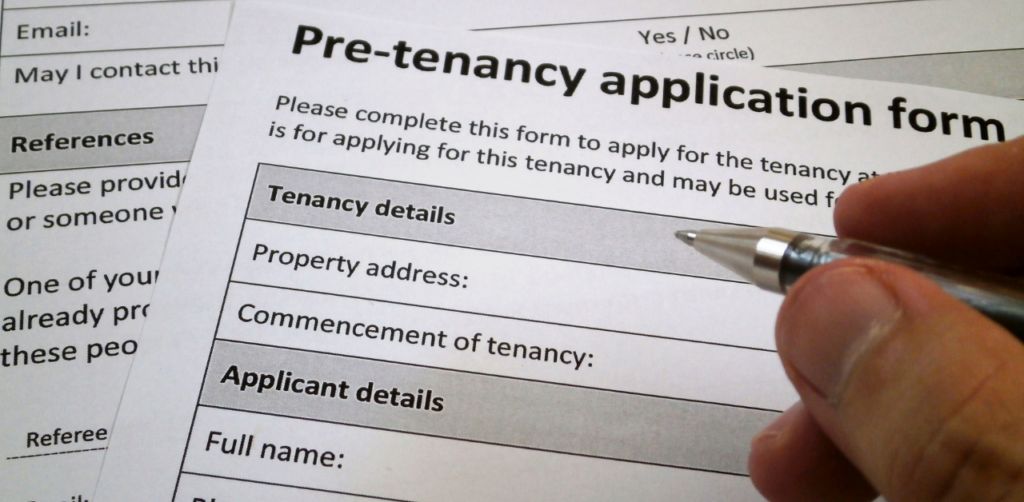
Speed matters, but tenant screening matters more. A slightly longer vacancy is almost always better than placing a bad renter who creates turnover, nonpayment, or eviction costs. The goal is to move quickly through a consistent screening process, not to skip it.
A solid tenant screening process should include:
- Completed rental application
- Income verification through pay stubs, bank statements, or employer documentation
- Credit report or full credit report review
- Background checks
- Rental history review
- Rental references and landlord references
- Verification with a previous landlord
- Review of eviction history
- Review of criminal history or criminal record, where legally permitted
- Confirmation of payment history and any missed payments
Look beyond a single score. A credit history can reveal a tenant’s financial habits, debt patterns, and whether they regularly pay rent and other obligations on time. Income matters too. Many owners look for monthly income that reasonably supports the monthly rent, along with reserves that suggest financial stability.
Rental history is equally important. Ask whether the applicant gave proper notice, maintained the home, and followed lease compliance requirements. A previous landlord can often tell you more about day-to-day reliability than a credit score alone.
Just make sure your screening practices stay consistent. Fair housing laws require that you use objective screening criteria and apply them the same way to all applicants. That means you should screen applicants using the same standards each time, document your process, and avoid informal exceptions that could create legal risk.
The best results usually come from balancing speed and discipline. Keep forms ready, respond promptly, verify documents quickly, and move qualified applicants through your system without cutting corners. That is how you find good tenants, not just fast tenants.
Smarter Leasing Starts With the Right Team
For property owners who want help finding quality tenants, managing listings, handling showings, and running a thorough screening process, Faranesh Real Estate and Property Management brings the structure and local insight needed to lease smarter.
Contact us today to get expert support with leasing, property management, and filling your rental property with the right tenant faster.