Buying a rental property is not just about the purchase price, projected rent, or whether the numbers look decent on paper. A thorough property inspection is where a real estate investor finds the problems that can wreck cash flow, create liability, and turn what looked like a good deal into a money pit.
In today’s market, many investors feel pressure to move fast. That is exactly when red flags get missed. Small cosmetic issues are one thing. Structural problems, plumbing issues, electrical hazards, drainage failures, and signs of neglected maintenance are something else entirely. Those are the warning signs that can lead to costly repairs, unhappy tenants, and weak long-term value.
A smart rental property inspection checklist is not about finding a perfect house. It is about identifying red flags, understanding what they will cost, and deciding whether to renegotiate, fix, or walk away. In this article, you will get a practical, investor-focused guide to rental property inspections so you can protect your money before closing.
Big-Ticket Structural and Safety Issues
The biggest rental property inspection red flags every investor should know usually start with structure and safety. These issues can destroy a deal by affecting habitability, financing, insurance, and resale.
Start with the foundation. Look for large cracks, sloping floors, sticking windows, separated trim, and doors that do not close properly. Foundation problems do not always mean the house will fail, but they do deserve serious due diligence. Horizontal cracks, visible structural movement, or signs of structural damage in multiple areas are a different story than a few minor settlement cracks. Properties built before 1978 may also carry EPA lead paint disclosure requirements.
A home inspector may also point out bowing walls, moisture intrusion in the basement or crawl space, or exposed steel bars in damaged concrete. Those are not little things. They can signal major issues that spread into flooring, walls, roof lines, and overall stability.
Safety also matters just as much as structure. A rental property needs to be safe for tenants, visitors, and contractors. Pay close attention to:
- Loose stairs or failing railings
- Damaged front door locks or poor exterior security
- Windows that do not open or close correctly
- Exposed wiring
- Missing smoke or carbon monoxide detectors
- Unsafe decks, balconies, or walkways
These concerns affect liability immediately. Even if the property could still be rented, the cost to fix safety issues should be factored into your investment decision.
Roof, Plumbing, and Electrical Systems
A roof problem can wipe out months or years of expected cash flow. During a property inspection, look beyond age alone. An older roof may still be in good condition if it has been maintained. A newer roof can still be a problem if the installation was poor.
Watch for missing shingles, soft spots, sagging roof lines, stained ceilings, and patched areas that suggest recurring leaks. Ask whether the seller has records for repairs or a full replacement. A new roof can be a selling point. A failing roof with hidden leaks is often a deal breaker.
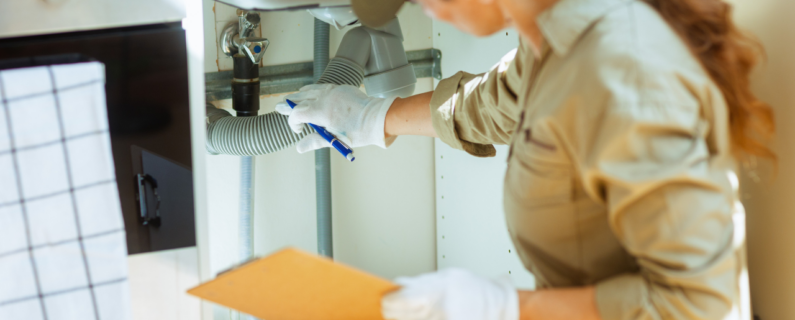
Plumbing issues are another common source of surprise expenses. Warning signs include low water pressure, slow drains, stained cabinets under sinks, corroded pipes, active leaks, and signs of past water damage. In older properties, the material type of the supply and drain lines matters. Certain older materials raise the risk of failure and future cost.
Electrical systems deserve extra scrutiny because they combine safety risk with replacement expense. Pay attention to the electrical panel, especially if the inspector notes outdated or problematic brands such as Federal Pacific. That is not a detail to ignore. Many buyers, insurers, and lenders see a Federal Pacific panel as a serious red flag.
Also look for:
- Double-tapped breakers
- Ungrounded outlets
- Extension cords used as permanent wiring
- Flickering lights
- Burn marks around outlets or switches
A few minor electrical repairs may be manageable. A full rewire is a very different investment calculation.
Water Damage, Mold, and Drainage
Water damage is one of the clearest warning signs in any investment property. It affects structure, finishes, tenant comfort, insurance risk, and future maintenance costs.
Look for stains on walls and ceilings, bubbling paint, warped flooring, soft drywall, musty odors, and visible mold. Even when mold is not visible, musty odors often point to moisture problems behind walls, under flooring, or in crawl spaces. A good inspector will identify the visible signs, but investors should also use common sense during the walk-through.
Check the exterior too. Poor grading, standing water, clogged gutters, downspouts dumping near the foundation, and erosion around the house can all lead to bigger foundation problems later. Water should move away from the property, not toward it.
Mold is especially important in a rental because it raises health concerns, creates potential liability, and makes it harder to maintain the property. It can also make units harder to sell or rent. Surface mold from a minor leak may be fixable. Widespread moisture, chronic leaks, and recurring mold usually point to a deeper issue.
This is where due diligence during the diligence period matters. Do not just note the symptom. Find the source. If you only pay to clean or paint over the problem, you have not fixed the risk.
HVAC and Major Mechanical Systems
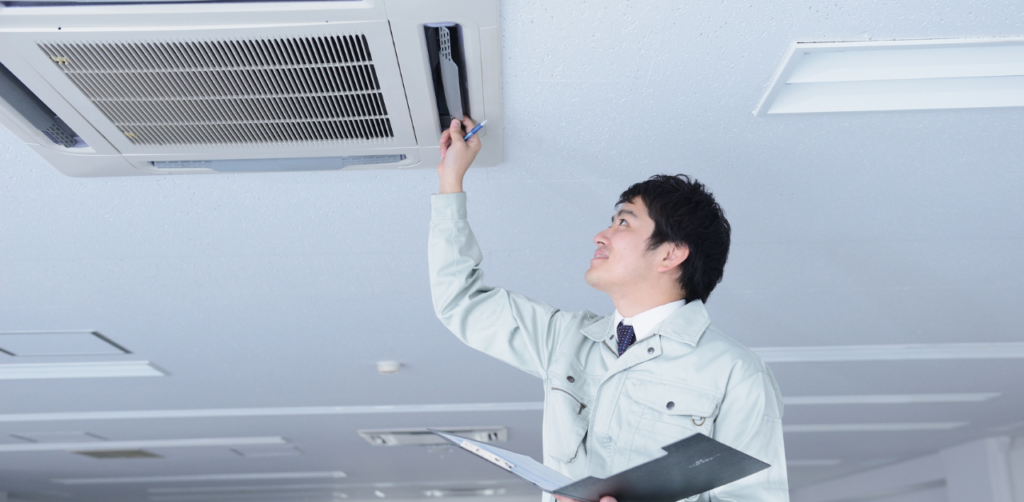
Mechanical systems may not look dramatic in an inspection report, but they directly affect monthly expenses, tenant satisfaction, and reserve planning.
For HVAC, ask about the unit’s age, service history, filter condition, and whether the system is heating and cooling evenly. An old system is not automatically a deal killer, but an aging unit with no maintenance history should be treated as a near-term capital expense.
The same logic applies to water heaters and other major systems. Investors should not only ask whether something works today. Ask how long it is likely to last, what replacement will cost, and whether the current owner has been maintaining it.
Appliances matter too, especially in a turnkey rental. If the property includes appliances, test them and review their age and condition. Replacing several at once may not seem like a massive point compared to a roof or foundation, but it still affects your first-year cash flow.
A good rental property inspection checklist for investors always ties findings back to the bottom line. Can you absorb the replacement cost? Does the property still perform after those expenses? That is the real question.
Layout, Functionality, and Code Concerns
Some houses pass a home inspection but still turn out to be weak rental properties. That is why a real estate investor should also think about layout, functionality, and rentability.
Odd floor plans, awkward bedroom access, low ceilings in finished basements, poor natural light, and limited storage can reduce demand even when the property is technically livable. A strange layout may not be considered a formal inspection defect, but it can still hurt rent, increase vacancy, and lower long-term value.
Before you even book a showing, read our guide on what to look for in a neighborhood before buying a rental property to make sure the location supports your goals.
Look closely for signs of unpermitted work. Added rooms, garage conversions, enclosed patios, or basement kitchens can become major concerns if they do not meet code. That affects safety, insurance, appraisals, and future resale. It can also create problems if tenants use spaces that were never legally meant for occupancy.
Watch for code and functionality concerns such as:
- Missing handrails
- Inadequate egress windows
- Unsafe additions
- Poor ventilation
- Damaged windows and doors
- Evidence that repairs were done cheaply just to sell
These issues do not always mean you should walk away. But they should absolutely affect the price you are willing to pay.
When a Red Flag Means Renegotiate vs. Walk Away
Not every issue found during a rental property inspection is a deal-breaker. Older properties often come with wear, deferred maintenance, and repairs that can be priced in. The key is knowing the difference between manageable problems and a true money pit.
Renegotiate when:
- The issue is clear and quantifiable
- The repair cost fits your reserves and return targets
- The property still works as an investment after the fix
- The market, neighborhood, and rent potential remain strong
Walk away when:
- There are major structural problems with an uncertain scope
- Water damage, mold, and drainage issues suggest recurring failure
- The electrical, plumbing, and roof all need major work at once
- The seller hides information or resists reasonable inspection requests
- The property will eat your down payment, reserves, and future cash flow
A smart investor does not lose a deal over pride. If the numbers no longer make sense, move on. Protecting your capital is part of successful investing. Before deciding, connect the inspection back to the bigger picture. Review whether the property still aligns with your goals, risk tolerance, and the local market.
Turn Inspection Findings Into a Smarter Investment Decision
The best investors do not fail because they found problems during inspection. They fail when they ignore the warning signs, underestimate the cost, or keep putting money into a property that was never a solid investment.
A comprehensive rental property inspection checklist helps you distinguish between manageable repairs and a true money pit. It helps you protect value, reduce liability, and make better decisions about when to pay, when to push back, and when to walk.
That is where an experienced team makes a real difference. At Faranesh Real Estate and Property Management, we help investors review inspection findings through the lens that matters most: rentability, repairs, long-term expenses, and overall deal performance. Contact us today to get expert guidance before you move forward with your next rental property purchase.