
Owning a rental property in Las Vegas can be a strong investment, but it also comes with risks. Property damage, liability claims, lost rental income, tenant-related issues, and unexpected repair costs can quickly affect your bottom line. That is why owner insurance for rental property in Las Vegas is an important part of protecting your investment.
For many property owners, this type of coverage is commonly known as landlord insurance. It differs from homeowners’ insurance because it is designed for residential rental properties, not owner-occupied properties. If you rent out a home, condo, townhome, or other property in Las Vegas, a standard homeowners policy may not provide the coverage you need.
Faranesh Real Estate and Property Management has served the Las Vegas Valley since 2011 and currently manages over 1,000 homes. As a property management company experienced with Las Vegas landlords, we understand how important the right insurance policy can be for protecting rental property and rental income.
What Is Owner Insurance for Rental Property in Las Vegas?
Owner insurance for rental property in Las Vegas is insurance coverage designed for property owners who lease their homes to tenants. It helps protect the structure of the rental property, certain landlord-owned items, and liability exposure connected to the property.
This is different from renters insurance, which protects the tenant’s personal property and may include tenant liability coverage. Landlord insurance protects the property owner’s investment, not the tenant’s belongings.
Is Landlord Insurance Required in Nevada?
Nevada law does not generally require every landlord to carry landlord insurance. However, landlord insurance may still be required by a mortgage lender, homeowners’ association, or another contractual agreement.
Even when landlord insurance is not legally required, many landlords consider it essential. A rental property creates more liability exposure than a personal residence. Tenants, guests, vendors, and repair professionals may all be on the property at different times. Without landlord liability insurance, a property owner may be responsible for medical bills, legal fees, legal defense costs, or repair costs after a covered loss or liability claim, which is one of the reasons new investors get caught off guard by some of the most common real estate investing mistakes.
For Las Vegas landlords, the question is not only whether landlord insurance is required. The better question is whether you can afford to be without it.
What Does Landlord Insurance Cover?
A standard landlord insurance policy may provide several important protections. Coverage can vary by insurance company, so property owners should review the policy carefully before choosing coverage.
Dwelling Coverage
Dwelling coverage protects the physical structure of the rental property. This may include damage caused by a covered peril, such as fire, wind, hail, or sudden and accidental damage. For example, if a covered event damages the walls, roof, flooring, or major systems, dwelling coverage may help pay for repair costs. Some policies may provide replacement cost coverage, while others may use actual cash value. Replacement cost usually covers the cost to repair or replace damaged property without deducting depreciation, while actual cash value accounts for depreciation.
Liability Coverage
Liability coverage protects property owners if someone claims they were injured because of unsafe conditions at the rental property. Liability coverage protects against costs associated with injuries, medical bills, legal expenses, and legal defense. For example, if a tenant or guest is injured on the property and files a liability claim, landlord liability insurance may help provide coverage, depending on the policy terms.
Lost Rental Income Coverage
Lost rental income coverage, sometimes called loss of rent or lost income coverage, may help replace rental income if a covered event makes the property uninhabitable. For example, if a fire damages the home and the tenant has to move out while repairs are made, this coverage may help cover the lost rent during that period. This is especially important when rental income represents a significant portion of the owner’s monthly financial planning. which is part of why so many investors choose rental properties to build wealth in the first place.
Personal Property Coverage
Landlord personal property coverage may protect items owned by the landlord and used for the rental property. This can include appliances, maintenance equipment, or other property kept on-site for rental use. However, this does not cover tenant belongings. Tenants need renters’ insurance to protect their own property.
Other Structures Coverage
Other structures coverage may protect detached structures on the rental property. This can include detached garages, fences, storage sheds, or other structures not directly attached to the main dwelling.
What Is Usually Not Covered by a Standard Landlord Insurance Policy?

A standard landlord insurance policy does not cover everything. Property owners should understand exclusions before assuming they are fully protected.
Common exclusions may include:
- Tenant belongings
- Normal wear and tear
- Intentional damage by the landlord
- Certain tenant-caused damage
- Flood damage, unless flood insurance is added or purchased separately
- Earth movement or certain natural disasters
- Maintenance issues
- Some code coverage or building code upgrade costs unless added
- Rent guarantee if the tenant fails to pay rent, unless separate coverage is purchased
Flood insurance deserves special attention. Las Vegas is in a desert climate, but flood risk still exists due to storms, drainage issues, or flash floods. Standard landlord insurance may not cover flood damage, so property owners should ask their insurance company whether additional coverage is recommended. The kind of detail that often surfaces during a thorough rental property inspection before purchase.
How Much Does Landlord Insurance Cost in Las Vegas?
Landlord insurance costs in Las Vegas depend on several factors. There is no single monthly premium that applies to every rental property.
Insurance companies may consider:
- Location of the rental property
- Property age and condition
- Replacement cost of the home
- Coverage limits
- Deductible amount
- Claims history
- Type of rental property
- Whether the property has detached structures
- Selected additional coverage
- Liability coverage limits
- Fire, flood, or wildfire risk
- Major systems, including air conditioning systems
A higher deductible may lower the monthly premium, but it can also increase out-of-pocket costs when a covered loss occurs. Property owners should balance affordability with meaningful protection. A consideration that ties directly into the broader financing decisions made when first purchasing the property.
Can Landlords Require Tenants to Have Renters Insurance?
Yes, landlords can often require renters’ insurance as part of the lease agreement, provided the requirement complies with applicable Nevada law and is properly written into the lease.
Many landlords require tenants to carry renters’ insurance because it helps protect tenants’ belongings and may include tenant liability coverage. This can reduce confusion after property damage or accidental damage occurs.
It is important to understand that renters’ insurance does not replace landlord insurance. Renters’ insurance protects the tenant. Landlord insurance protects the property owner, the rental property, liability exposure, and possibly lost rental income.
How Property Owners Can Choose the Right Nevada Landlord Insurance Policy
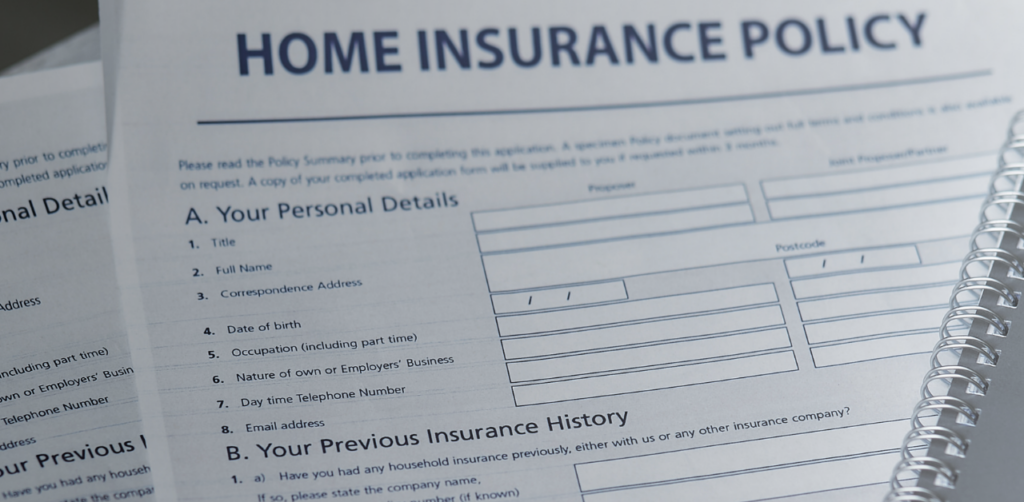
Choosing the right Nevada landlord policy means looking beyond the lowest price. Property owners should compare coverage, exclusions, deductibles, and claim support. When reviewing landlord insurance in Nevada, consider these questions:
- Does the policy include dwelling coverage based on replacement cost or actual cash value?
- Does liability coverage protect against legal fees, medical bills, and legal defense?
- Is lost rental income included?
- Are detached structures covered?
- Is landlord-owned personal property covered?
- Is flood insurance needed?
- Are burglary coverage or vandalism coverage included?
- Are building code coverage or additional coverage options available?
- What damage is excluded?
- What deductible applies to each covered loss?
Las Vegas landlords should also think about the practical realities of owning rental property. A landlord policy should align with the property’s condition, location, tenant profile, and long-term investment goals.
Protect Your Las Vegas Rental Investment with Professional Property Management
The right insurance decision should support the way your rental property operates, not just satisfy a basic coverage requirement. For Las Vegas property owners, that means reviewing your policy alongside your lease terms, tenant requirements, property condition, and long-term investment goals.
It is also helpful to revisit your coverage regularly, especially after renovations, market changes, rent adjustments, or major property updates. As costs and risks change, your landlord insurance policy should continue to match the real value and exposure of your rental home.
Faranesh Real Estate and Property Management helps Las Vegas landlords manage their properties with greater confidence through professional oversight, local market experience, and a structured approach to rental property management.
Need help protecting and managing your Las Vegas rental property? Contact us today to learn how our team can support your investment.